3 Best AI Language Translators for Travelers
Communicate easily with the 3 best AI language translators. Compare real-time translation, offline capabilities, and voice support.
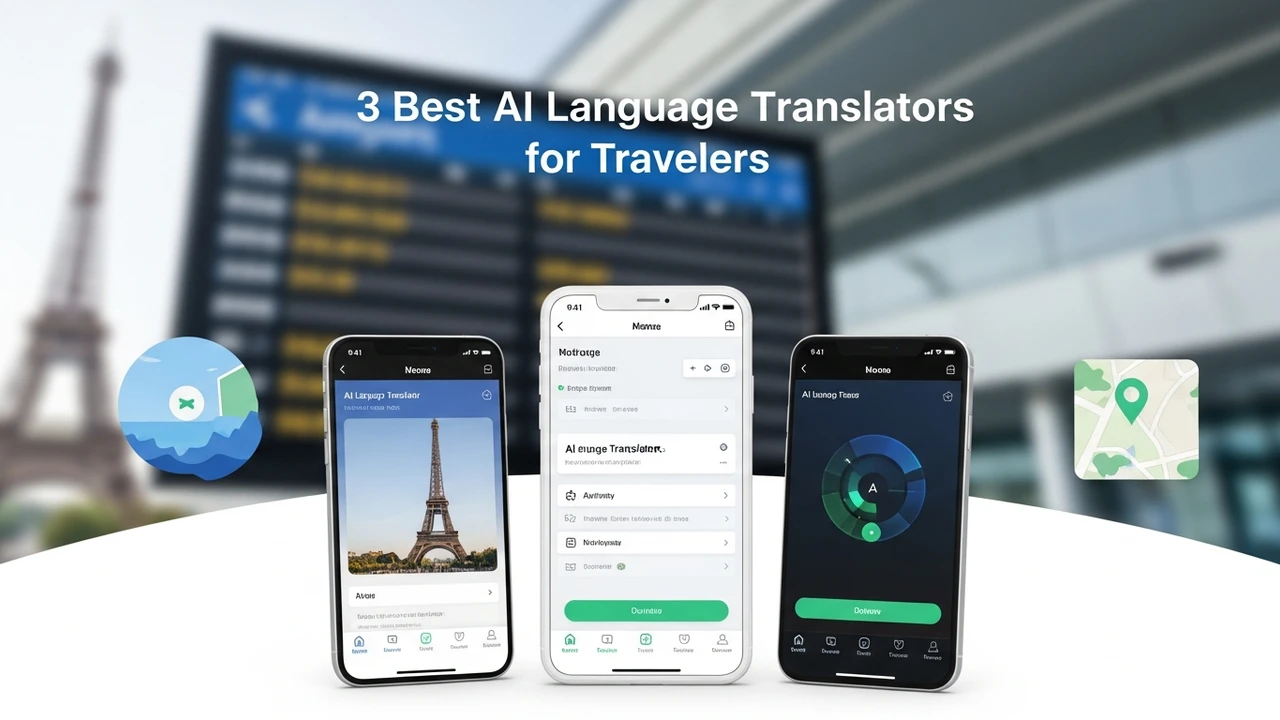
3 Best AI Language Translators for Travelers
Communicate easily with the 3 best AI language translators. Compare real-time translation, offline capabilities, and voice support.
Why AI Language Translators Are Essential for Modern Travel
Traveling to a foreign country is an exhilarating experience, but the language barrier can often turn a dream vacation into a stressful ordeal. Whether you are trying to order a local delicacy in a bustling Tokyo market or asking for directions in a remote village in the Italian countryside, communication is key. Fortunately, the rise of AI-powered language translation technology has revolutionized how we interact with the world. Gone are the days of carrying bulky phrasebooks or relying on slow, inaccurate dictionary apps. Today, we have sophisticated AI tools that fit right in our pockets, capable of translating speech, text, and even images in real-time.
Top 3 AI Language Translators for Global Exploration
When choosing the right tool for your journey, you need to consider factors like offline functionality, accuracy, and ease of use. Here are the three best AI language translators currently dominating the market.
1. DeepL Translator for Precision and Context
DeepL is widely regarded as the gold standard for translation accuracy. Unlike traditional machine translation engines that translate word-for-word, DeepL uses advanced neural networks to understand the context and nuance of a sentence. For travelers, this means you get natural-sounding translations that actually make sense in a social setting. It is particularly excellent for European languages and offers a clean, user-friendly interface. While it requires an internet connection for the best results, its desktop and mobile apps are incredibly reliable for translating complex menus or local signage.
2. Google Translate for Versatility and Offline Access
Google Translate remains the most versatile tool for any traveler. Its standout feature is the 'Offline Mode,' which allows you to download language packs before you leave home. This is a lifesaver when you are in areas with poor cellular coverage. Furthermore, the 'Camera Translation' feature is a game-changer; simply point your phone at a menu or a street sign, and the AI overlays the translated text directly on your screen. It supports over 100 languages, making it the most comprehensive option for those visiting multiple countries.
3. Pocketalk S for Dedicated Hardware Performance
If you prefer not to rely on your smartphone, the Pocketalk S is a dedicated AI translation device that is worth every penny. It is a sleek, handheld gadget that features a high-quality microphone and a noise-canceling speaker, ensuring that your voice is heard clearly even in crowded environments. It supports 82 languages and comes with a built-in data plan that works in over 130 countries. Because it is a standalone device, you don't have to worry about draining your phone battery or dealing with distracting notifications while you are trying to communicate.
Comparing Features and Pricing for Your Next Trip
Choosing between these options depends on your specific travel style. If you are a budget-conscious traveler who wants a free, all-in-one solution, Google Translate is unbeatable. It is free to download and covers almost every scenario you might encounter. For those who prioritize linguistic accuracy and are mostly traveling within Europe, DeepL is the superior choice, though it lacks the robust offline camera features of Google. If you are a frequent business traveler or someone who wants a dedicated, distraction-free device, the Pocketalk S is a premium investment. The Pocketalk S typically retails around $299, which includes two years of global data, making it a professional-grade tool for those who need reliability above all else.
Practical Use Cases for AI Translation Tools
Imagine you are at a train station in a country where you don't speak the language. You need to know if your train is delayed. With Google Translate, you can use the voice-to-voice feature to ask a station attendant, and they can speak back into your phone for an instant translation. Or, perhaps you are at a restaurant and want to know the ingredients in a dish due to an allergy. Using the camera feature on your phone, you can scan the menu and instantly identify the ingredients. These tools are not just about convenience; they are about safety and confidence. They allow you to navigate unfamiliar environments with the peace of mind that you can always find help or information when you need it most.
Tips for Getting the Best Results from AI Translators
To get the most out of these AI tools, try to speak clearly and at a moderate pace. Avoid using heavy slang or overly complex idioms, as even the best AI can struggle with regional dialects. If you are using a voice translator, try to hold the device close to the speaker to minimize background noise. Always download your offline language packs at least 24 hours before your flight to ensure you aren't caught without data. By preparing your digital toolkit before you leave, you can focus on what really matters: enjoying your adventure and connecting with the local culture.
:max_bytes(150000):strip_icc()/277019-baked-pork-chops-with-cream-of-mushroom-soup-DDMFS-beauty-4x3-BG-7505-5762b731cf30447d9cbbbbbf387beafa.jpg)