3 Best AI Nutrition Trackers for Healthy Eating
Eat better with the 3 best AI nutrition trackers. Learn how these apps analyze your diet and provide personalized meal recommendations.
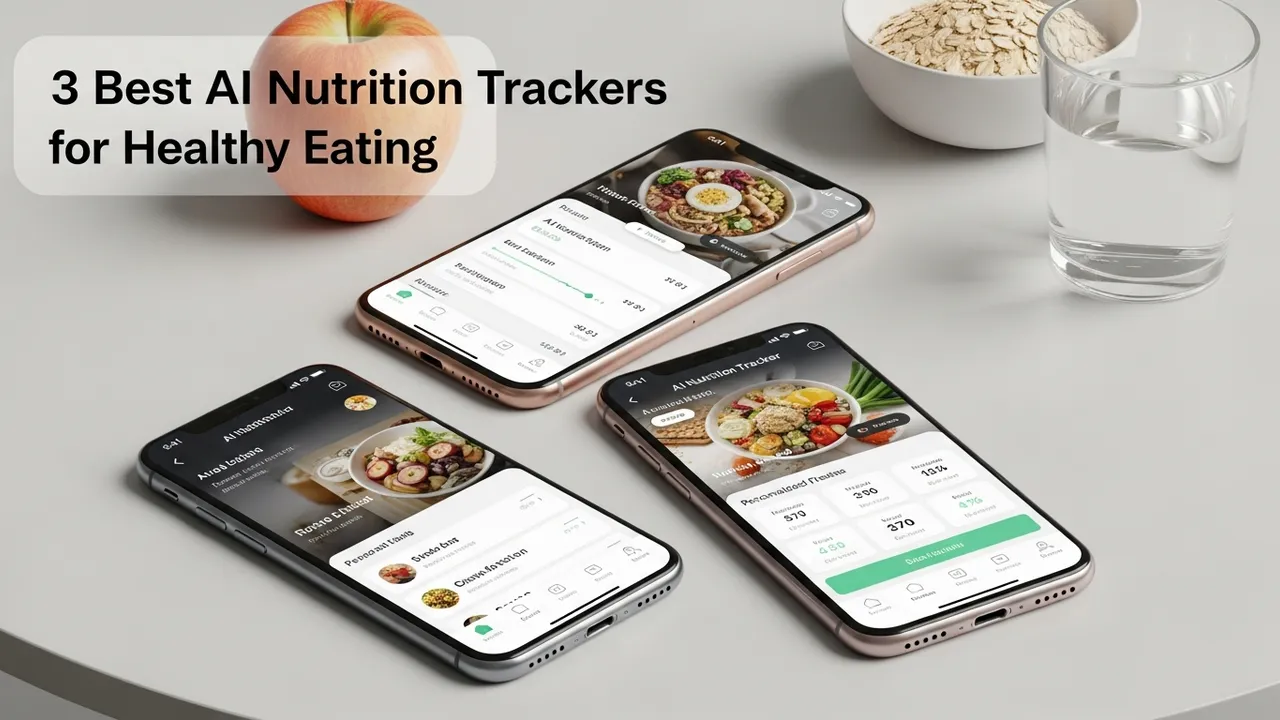
Eat better with the 3 best AI nutrition trackers. Learn how these apps analyze your diet and provide personalized meal recommendations.
3 Best AI Nutrition Trackers for Healthy Eating
Let’s be real, tracking every single calorie you put into your body feels like a full-time job. We’ve all been there—staring at a bowl of pasta, trying to guess the portion size, and eventually just giving up because it’s too much of a hassle. But what if you had a digital nutritionist in your pocket that actually understood your lifestyle? That is where AI nutrition trackers come in. They don’t just count numbers; they learn your habits, suggest better alternatives, and help you build a relationship with food that doesn’t feel like a chore.
How AI Nutrition Trackers Revolutionize Your Diet
Traditional calorie counting apps are static. You input data, they spit out a number. AI-powered trackers, however, are dynamic. They use machine learning to recognize patterns in your eating habits. If you consistently skip breakfast and then overeat at dinner, the AI notices. It might suggest a high-protein snack in the afternoon to keep your energy levels stable. These tools are designed to take the guesswork out of healthy eating, making it easier to hit your macros without needing a degree in nutrition.
Top 3 AI Nutrition Trackers Compared
After testing dozens of apps, three stand out for their accuracy, user experience, and AI capabilities. Here is how they stack up:
1. MyFitnessPal with AI Food Insights
MyFitnessPal is the giant in the room, but their recent AI integration has taken it to a new level. The 'Food Insights' feature analyzes your logs to tell you exactly what is driving your weight loss or gain. It’s great for people who want a massive database of foods. Price: Free version available; Premium is $19.99/month. Best for: People who want the largest food database on the planet.
2. Lose It! AI Photo Recognition
The standout feature here is the 'Snap It' tool. You literally take a photo of your meal, and the AI identifies the food and estimates the calories. It’s not perfect, but it’s a game-changer for busy people who don't have time to search for 'grilled chicken breast' every single time. Price: Free version; Premium is $39.99/year. Best for: Visual learners who hate manual logging.
3. Cronometer for Micronutrient Precision
If you are a data nerd, this is your app. Cronometer uses AI to track not just calories, but vitamins and minerals. It’s incredibly precise. If you are trying to fix a specific deficiency or follow a strict medical diet, this is the gold standard. Price: Free version; Gold is $8.99/month. Best for: People focused on health optimization and micronutrients.
Real World Use Cases for AI Diet Apps
Imagine you are at a restaurant. You have no idea how many calories are in that salad dressing. With an AI tracker, you can snap a photo or use voice logging to get an estimate instantly. Or, consider the 'meal planning' aspect. If you tell the app you have chicken, spinach, and quinoa in your fridge, the AI can suggest a recipe that fits your daily calorie goal. It’s about making healthy choices the path of least resistance.
Choosing the Right AI Nutrition Tool for Your Lifestyle
If you are just starting out, go with Lose It! because the photo logging makes it so much easier to stick with. If you are training for a marathon or have specific health goals, Cronometer is going to give you the deep-dive data you need. Don't get too hung up on the numbers, though. The best app is the one you actually use consistently. Start by logging for a week, see what the AI tells you about your habits, and adjust from there. You might be surprised to find that you’re eating way more sugar than you thought, or that you aren't getting enough protein to support your workouts. It’s all about small, sustainable changes that add up over time.
:max_bytes(150000):strip_icc()/277019-baked-pork-chops-with-cream-of-mushroom-soup-DDMFS-beauty-4x3-BG-7505-5762b731cf30447d9cbbbbbf387beafa.jpg)